
TransSECS Servers
Overview
This TransSECS product is built for server-based deployments, acting as a centralized hub to deliver structured, real-time SECS/GEM data across your enterprise. With support for modern protocols like OPC UA, REST, and MQTT, TransSECS Servers bridges your equipment layer with MES, analytics platforms, and IIoT ecosystems seamlessly. Whether you are running a single-tool integration or a fab-wide rollout, TransSECS Servers provides the scalability, reliability, and performance required for complex manufacturing environments.
Key Problems This Solves
- Difficulty connecting legacy SECS/GEM tools to modern enterprise systems.
- Need for centralized, scalable infrastructure for data distribution.
- Complex, time-consuming development when integrating multiple protocols.
- Downtime or data loss caused by unreliable connections or server failures.
Key Features
- Native support for OPC UA, REST APIs, and MQTT for flexible client integration.
- High-performance, low-latency communication for demanding manufacturing environments.
- Built-in redundancy and fault-tolerance for 24/7 uptime.
- Advanced role-based security and logging.
- Scales from single-server deployments to enterprise-level multi-node architectures.
Why Choose TransSECS Servers
- Centralized data hub for consistent, reliable data flow.
- Modern architecture designed for flexibility and future scalability.
- Seamless fit for fabs, OEMs, and integrators needing robust integration points.
- Backed by ErgoTech's decades of expertise in SECS/GEM solutions.
Technical Highlights
- Interface – SECS/GEM interface via OPC UA (or Legacy OPC COM)
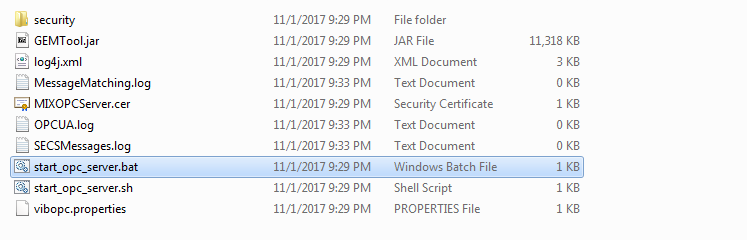
- Deployment – Standalone stand-alone product with no third party software required; runs on Windows, Linux, IoT (Raspberry Pi)
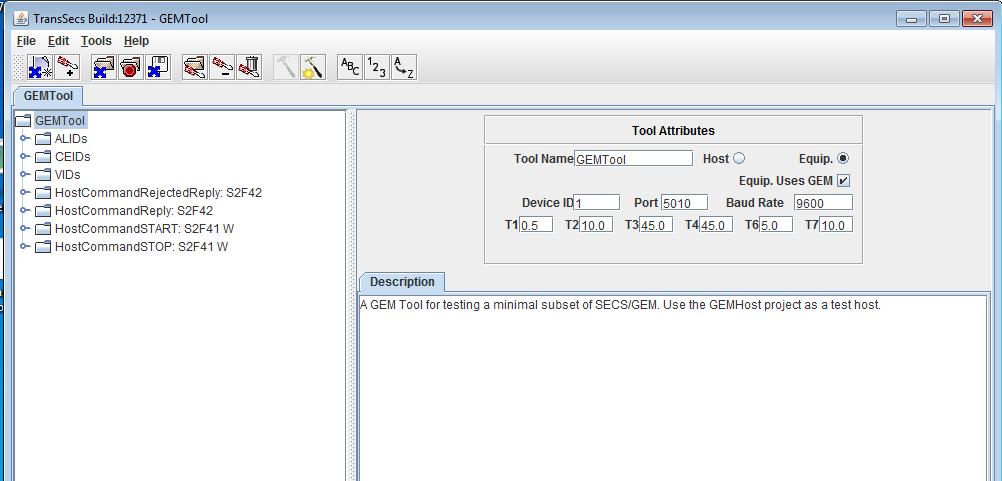
- Data Management – Define VIDs, ALIDs, CEIDs in TransSECS editor
- Host Control – Supports start/stop messages and recipe management; maps to OPC tags
- Documentation – Auto-generates documentation and boilerplate manual
- Quick Start – Includes guide for building/configuring the interface